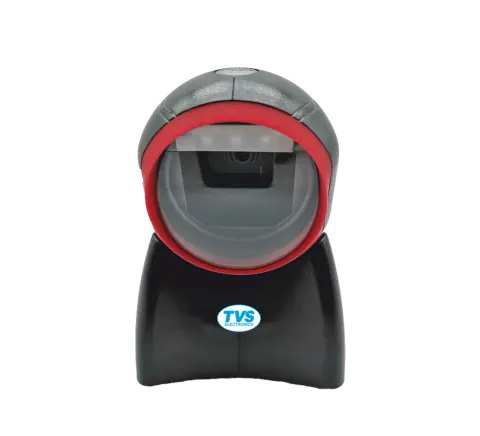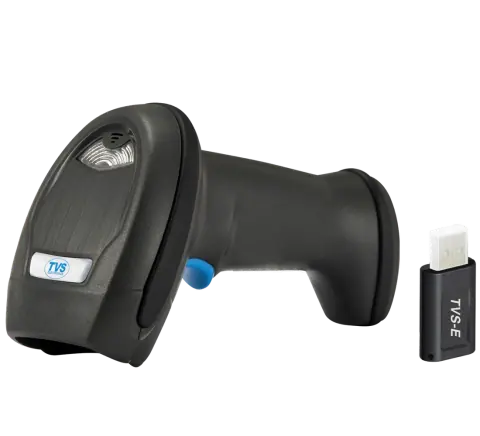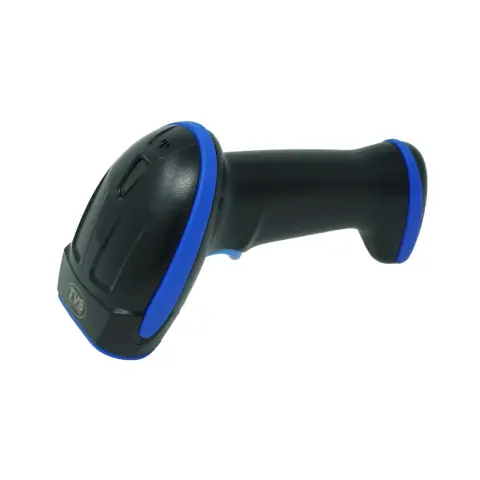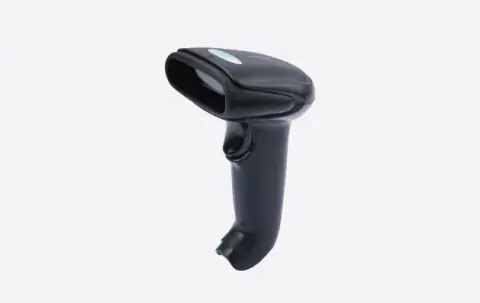
Barcode scanners models

7 models

    Filters

    Choosing barcode scanners

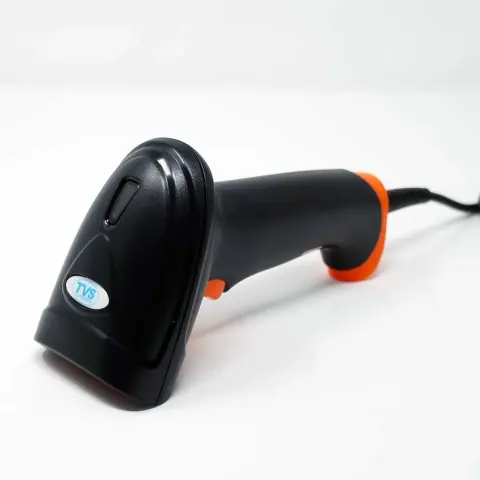
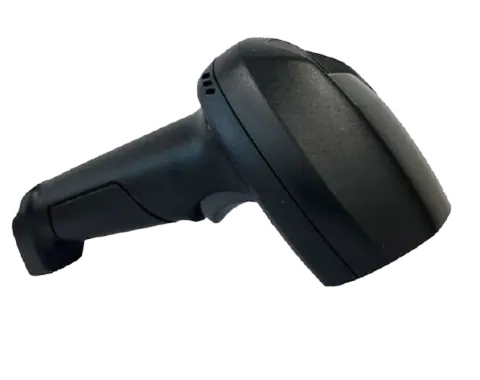
    Choose a barcode scanner by the codes it must read and where it is used. A 1D scanner reads standard retail barcodes, while QR codes and codes on phone screens need a 2D imager.
    1D or 2D
    1D (linear) scanners read EAN-13, UPC and Code 128 barcodes on packs and labels. 2D imagers also read QR codes, Data Matrix and PDF417, including codes shown on phone screens for payments and tickets.
    Scan technology
    Laser scanners read 1D codes from a longer distance. CCD and imager scanners have no moving parts and tolerate drops better, and phone screens are read most reliably by 2D imagers.
    Connection
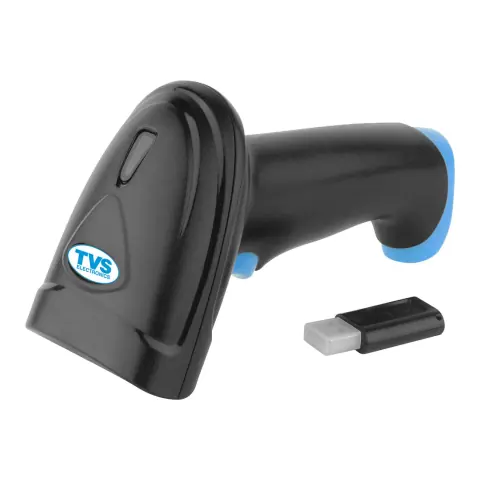
    USB scanners act as a keyboard, so the code is typed into the active field without a driver. Serial (RS-232) scanners need a serial port and set-up, and wireless scanners, Bluetooth or 2.4 GHz, suit large counters and stock rooms, so check battery life and range.
    Speed and depth of field
    Scans per second and depth of field affect how fast a billing counter moves. A stand allows hands-free scanning of items passed in front of the scanner.
    Build
    Counter scanners take repeated use and drops. Check the drop rating and the cable strain relief.

    Installation and compatibility

    • Scanners are set up by scanning programming barcodes in the manual, for example to add an Enter key after each scan or to turn on extra code types. Keep the manual's programming page.
    • Test with your real labels, including glossy, curved and worn ones, before you buy in quantity.
    • Print labels with high contrast and clear margins around the code so that every scanner can read them.

    Enquire about barcode scanners

    Send the models and quantities you need, or describe the requirement if the model is not listed. The sales desk will confirm price and availability.

    You are a (optional)

    Sending opens WhatsApp with your enquiry filled in, ready to send to our sales desk.